Betting on Ozonated Water for Zero-Waste Offices
Series: Innovation & CSR (Article 1/2)
The cleaning sector is often perceived as traditional, or even stagnant. Yet, a silent revolution is underway. At LP La Providence, we are convinced that technological innovation only makes sense if it serves a strong sustainable vision. In this series, we explore how new working methods can reduce carbon footprints while enhancing the value of our teams' expertise.
Since the 1950s, the cleaning equation seemed simple: to clean, you need a microfiber cloth, a detergent, and a chemical surfactant—often petroleum-derived, packaged in a plastic jug, and transported by truck over hundreds of kilometers.
What if the greatest innovation of our decade was simply eliminating the chemical product altogether?
Thanks to Stabilized Aqueous Ozone (SAO) technology, it is now possible to transform tap water into a powerful cleaner and disinfectant, directly on-site. For LP La Providence, this technology represents a major CSR lever for companies concerned about their carbon footprint and the health of their occupants.

Understanding the Technology: Electricity and Water
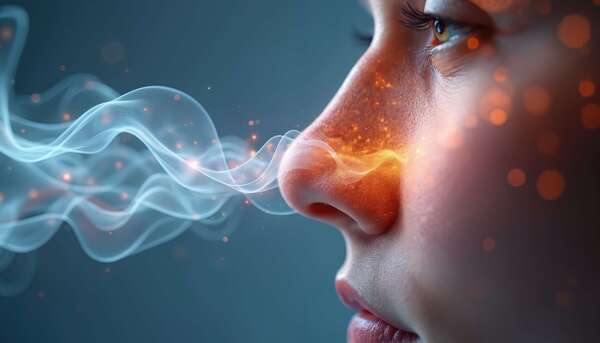
Ozone (O3) is a naturally occurring gas in the atmosphere, known for its oxidizing properties. The principle of ozonated water involves using a production unit installed on your premises to replicate a natural phenomenon similar to a lightning strike: electrolysis.
By injecting oxygen and a controlled electrical discharge into tap water, we create a chemically unstable solution that destroys microorganisms (bacteria, viruses, fungi) by breaking down their membranes. Ozone has a much broader disinfection spectrum than the chlorine found in traditional disinfectants. Its physicochemical action captures all organic soil with a simple microfiber cloth. After a few hours, the solution reverts to a stable state, separating back into water and oxygen. No chemical residue is left on your surfaces. It is a "spotless" clean, both literally and figuratively.
The CSR Impact: Ending Polluting Logistics
Adopting this technology radically changes the environmental impact of a cleaning contract. Gains are measured across the entire value chain:
- Zero Plastic: No more jugs, no more refills, and no more packaging waste to process.
- Zero Transport: The product is manufactured "In Situ." We eliminate monthly chemical deliveries, drastically reducing CO2 emissions related to road transport.
- Zero Discharge: Wastewater discharged after cleaning contains no synthetic pollutants, preserving water systems and biodiversity.
- Zero Hazard: Absence of safety pictograms and zero Volatile Organic Compounds (VOCs).
For a large corporate headquarters, this can represent hundreds of kilograms of plastic waste and chemical purchases avoided each year, or 1.48 tCO2e of avoided greenhouse gas emissions. This aligns perfectly with our Net Zero Carbon goal, following the Science Based Target initiative (SBTi), by 2050. We invite all our stakeholders, especially our clients, to join this collective effort.
Health and Indoor Air Quality (IAQ)
Beyond ecology, moving away from traditional chemicals is a health milestone. Conventional cleaning products emit VOCs that pollute indoor office air and can cause headaches or irritation. Ozonated water, being fragrance-free and allergen-free, ensures total neutrality for occupants. For our teams, it is also a revolution: they no longer handle irritating concentrates, eliminating the risk of chemical burns or occupational illnesses common in our sector.
Innovation Does Not Replace Human Expertise
At LP La Providence, we maintain a clear-eyed view of innovation. Ozonated water does not replace mechanical action (scrubbing), nor heavy descaling, which still requires specific acidity. This is where our consulting role comes in. We audit your premises to